
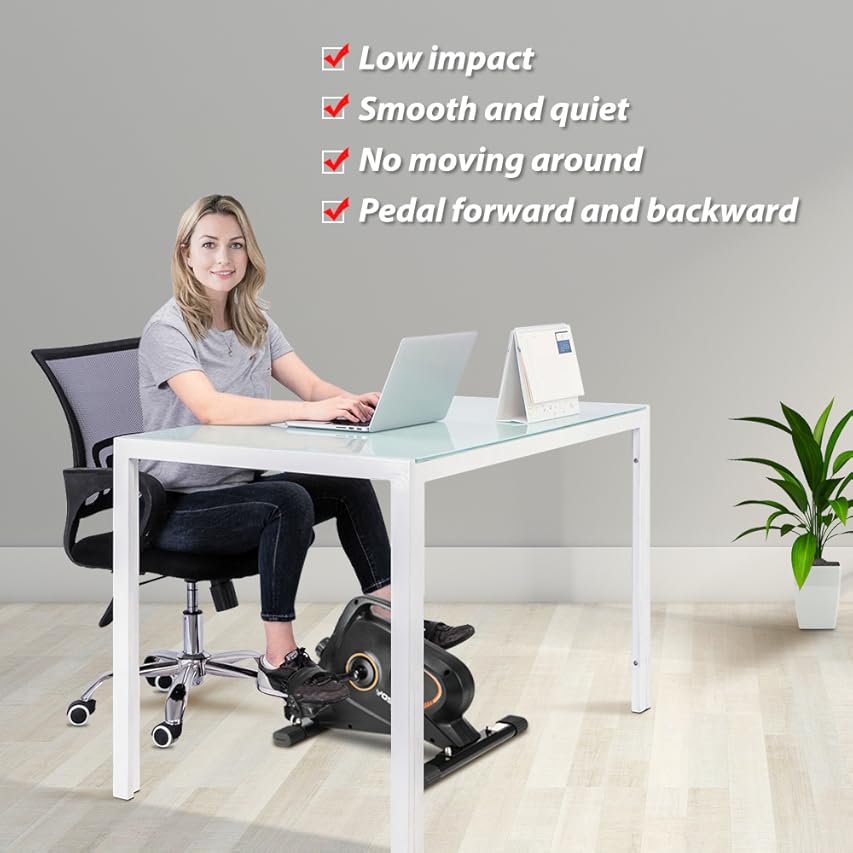
The global fitness equipment market, valued at USD 16.04 billion in 2022, is projected to grow at a CAGR of 5.3% through 2030 3. This growth is driven by rising health consciousness, technological advancements, and the shift toward home-based workouts. From ancient stone weights to AI-powered smart devices, fitness equipment has evolved into a blend of science, ergonomics, and sustainability. This article explores the latest innovations, maintenance protocols, and emerging trends reshaping the industry.
Ergonomic Precision
Modern fitness equipment prioritizes human-centric design to enhance performance and reduce injuries. For instance:
- Dynamic Adaptation: Technogym’s SKILLMILL treadmill features a 3D-printed carbon fiber frame that adjusts to 150–200 cm user heights, while NordicTrack’s Commercial 2950 treadmill uses AutoBreeze technology to automatically modify incline and speed based on real-time heart rate data 1.
- Biomechanical Optimization: Italian brand Technogym integrates 4D motion sensors into elliptical trainers, analyzing 22 joint movements to optimize stride length and reduce knee strain by 40% 1.



One Response
您好,这是一条评论。若需要审核、编辑或删除评论,请访问仪表盘的评论界面。评论者头像来自 Gravatar。